What to Wear September 3, 2026 7 min read
What to Wear Hiking
The three-layer system, a what-to-wear-by-temperature table, and an honest answer on cotton from people who print cotton shirts.
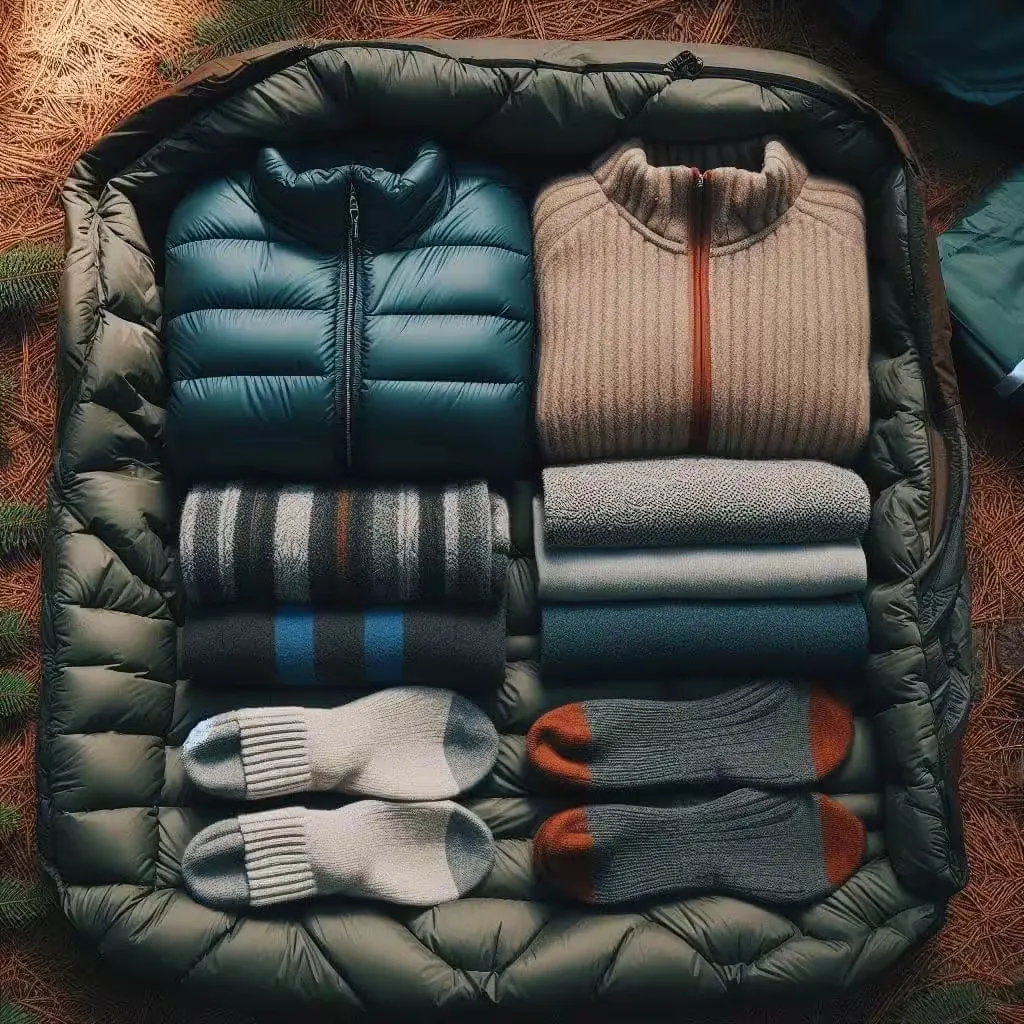
Three layers, adjusted for temperature and how hard you are working: a base layer that moves sweat off your skin, a mid layer that traps warmth, and a shell that blocks wind and rain. On a warm day you might only wear the first one and carry the third. That is the whole system.
The part most guides skip is that you dress for how you will feel twenty minutes in, not how you feel in the parking lot. Walking uphill generates a surprising amount of heat. If you set off comfortable, you will be too warm almost immediately.
What to wear by temperature
Temperatures below assume moderate effort on a trail with some climbing. Add a layer if you are strolling flat ground, drop one if you are moving fast uphill.
| Temperature | On top | On the bottom | Carry |
|---|---|---|---|
| 80°F+ | Light tee or tank, sun hat | Shorts | Extra water, sun layer for exposed sections |
| 70s | Tee, cap | Shorts or light pants | Light windbreaker |
| 60s | Tee, light long sleeve to start | Pants or shorts | Windbreaker, light fleece |
| 50s | Long-sleeve base, fleece or grid hoodie | Pants | Shell, warm hat, light gloves |
| 40s | Base layer, fleece, shell | Pants, base layer underneath if windy | Insulated layer for stops, hat, gloves |
| Below 40°F | Base, mid, insulated layer, shell | Insulated or lined pants | Spare warm layer, hat, gloves, buff |
Two adjustments that matter more than the numbers. Elevation: expect to lose roughly 3–5°F for every thousand feet you climb, so a trailhead at 70°F can be in the fifties at the top of a real ascent. Wind: a shell over a thin layer is often warmer than a thick layer with wind blowing through it.
The three layers, and what each actually does
Base layer
Its job is moving sweat away from your skin, not keeping you warm. Merino wool or a synthetic both do this. Merino resists odour better and stays tolerable when damp; synthetics dry faster and cost less. Either works. This is the layer where fabric choice genuinely matters, and it is the one people most often get wrong.
Mid layer
Insulation — fleece, a grid hoodie, a light puffy. This is the layer you take on and off most, so it wants to be easy to stuff in a pack. Grid fleece is popular because the waffle structure traps warm air without much bulk and breathes while you are moving.
Shell
Wind and rain. Even a cheap windbreaker changes how a cold day feels, because most of what makes you cold outdoors is moving air stripping heat off you. A waterproof shell is worth carrying whenever rain is plausible, which in the mountains is most afternoons in summer.
Is cotton actually bad for hiking?
We make cotton t-shirts, so take this as seriously as you like — but the honest answer is it depends entirely on the conditions, and the blanket “never wear cotton” advice is too simple.
Here is the real mechanism. Cotton absorbs a lot of water and holds onto it, and wet fabric against your skin pulls heat away from you far faster than dry fabric does. On a cold, wet, or windy day, a soaked cotton shirt will actively make you colder and keep doing it for hours, because it will not dry while you are wearing it. That is genuinely dangerous, and it is where the saying “cotton kills” comes from.
When cotton is fine: warm, dry weather. Short and moderate day hikes. Low to moderate exertion. Anywhere you are never far from the car and the temperature is not going to drop on you. A cotton tee on a 75°F afternoon walk is completely reasonable, and the slow evaporation that makes it dangerous in the cold is mildly pleasant in the heat.
When to leave it at home: cold weather. Rain, or a realistic chance of it. Anything where you will sweat heavily. Long days, high elevation, and any hike where being wet and cold would be a problem rather than an inconvenience. Never as a base layer in winter.
The nuance most guides miss is that which cotton garment matters. A cotton tee you can strip off and stuff in a pack is a very different risk from cotton long johns you cannot remove.
Can you hike in jeans?
You can, and people do, but they are close to the worst common choice for the same reason as cotton generally — plus two of their own.
Denim is heavy cotton, so it soaks up water and stays wet. It also has almost no stretch, which makes high steps and scrambling harder than they need to be, and the seams chafe once they are damp. On a short flat walk in dry weather, jeans are merely not ideal. On anything longer, steeper, or wetter, they are the item people most regret.
Almost any pair of athletic pants or hiking pants is a large upgrade for very little money.
What not to wear
- Brand-new boots. The most reliable way to ruin a hike. Break footwear in on short walks first.
- Cotton socks. The single highest-value swap in this whole article. Wool or synthetic hiking socks prevent most blisters.
- Anything you would be upset to tear. Trails are hard on clothing.
- One heavy layer instead of two light ones. You cannot regulate a single thick jacket; you can add and remove layers.
- No hat. UV intensity climbs with elevation and most trails have less shade than you expect.
What a beginner actually needs
You do not need to buy a technical wardrobe to start. For a warm-weather day hike on a maintained trail, the honest minimum is:
- Comfortable shoes with grip, already broken in — trail runners are fine.
- Wool or synthetic socks.
- A shirt you can move in, and a warm layer in your pack even if it seems unnecessary.
- A rain shell, or at minimum a windbreaker.
- A hat and sunscreen.
- More water than you think.
Upgrade in this order as you hike more: socks first, then a rain shell, then a proper base layer, then footwear. Pants and mid layers come last, because whatever you already own probably works.
Summer versus the shoulder seasons
Summer hiking is mostly about heat, sun and afternoon storms. Light colours, a sun hat, more water than feels reasonable, and a shell in the pack for the storm that builds after noon — in the mountains that is a near-daily pattern rather than an occasional risk.
Spring and autumn are harder to dress for, because the day swings further. A morning start can be below freezing and the afternoon can be shirt-sleeve warm. That is when the three-layer system earns its keep: you will use all of them, and you will change layers several times.
Frequently asked questions
What is the 3 layer rule for hiking?
Base layer to move sweat off your skin, mid layer to trap warmth, outer shell to block wind and rain. You rarely wear all three at once while moving — the point is being able to add and remove them as conditions and effort change.
Can I wear regular clothes hiking?
For a short day hike in good weather, yes. Athletic clothes you already own are fine. The two things worth buying specifically are proper socks and a rain shell; everything else can wait until you know you want it.
What should I wear hiking in 60 degree weather?
A t-shirt or light long sleeve with a fleece you can take off, plus pants or shorts depending on preference. Carry a windbreaker. Sixty degrees standing still and sixty degrees walking uphill feel completely different, so start slightly cold.
Should I wear shorts or pants hiking?
Preference, mostly. Pants protect against brush, sun, ticks and scrapes; shorts are cooler and dry faster. Convertible pants exist for a reason. On overgrown or rocky trails, pants win more often than the temperature would suggest.
How should I dress for a hike that starts cold?
Start slightly cold on purpose. If you are comfortable at the trailhead you will be overheating within ten minutes of climbing, and sweating into your layers early makes you colder later. Peel a layer before you start sweating, not after.
What we make, and where it fits
We print cotton t-shirts, which by the standards of this article makes them warm-weather day-hike wear rather than technical apparel. That is the honest placement, and it is most of what most people are doing.
Our tees are 100% Airlume combed and ring-spun cotton, and the camp hats cover the sun problem. For anything cold, wet or hard, wear a proper base layer under them or leave them for the drive home. We would rather tell you that than sell you a shirt for the wrong conditions.
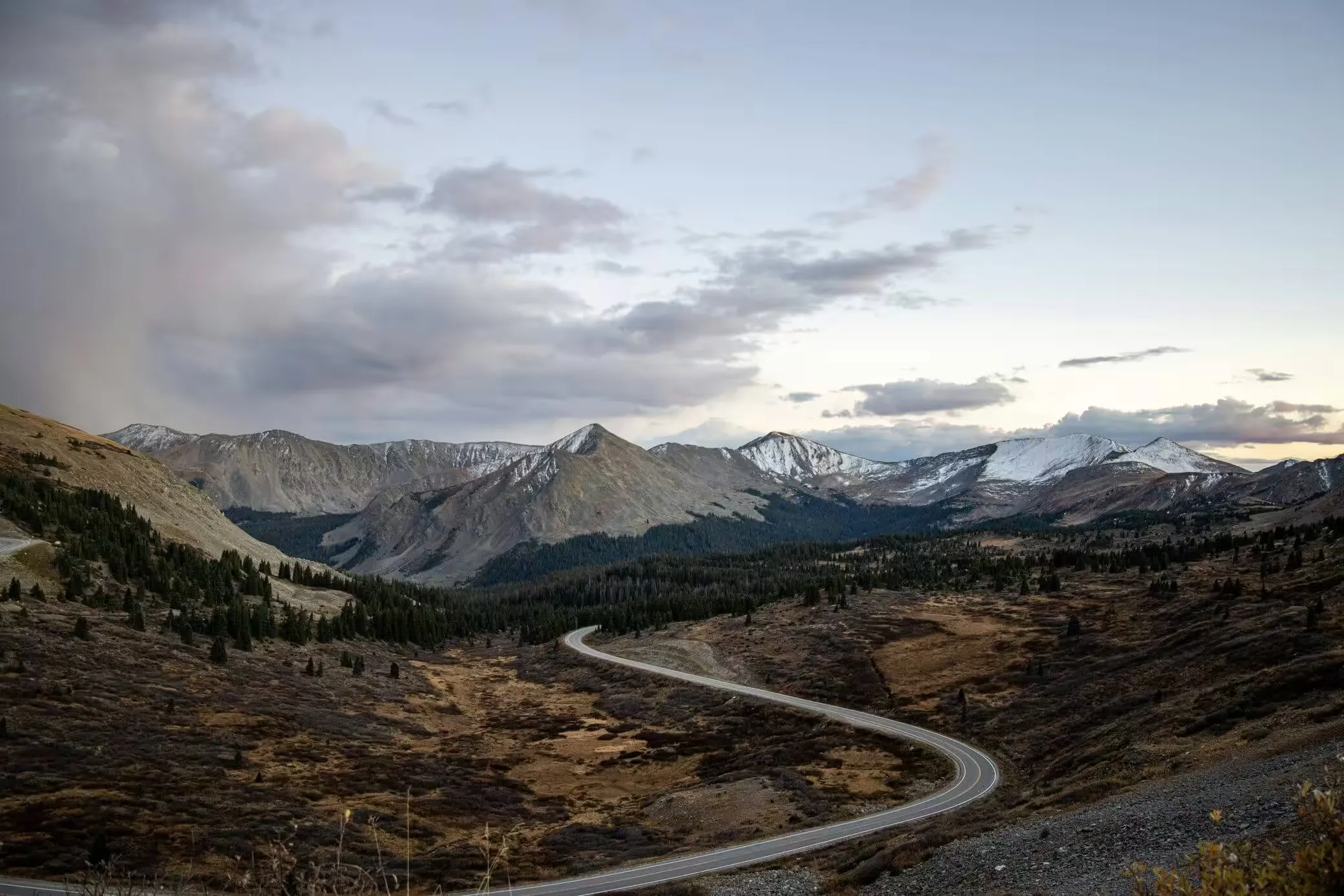
More in the journal: washing outdoor apparel, washing a hat, and what to expect on Cottonwood Pass if you are heading up high.